Introduction
One of the most common questions project managers, architects, and contractors ask when specifying stone surfaces is: should we use natural stone or engineered stone? The answer is rarely simple — it depends on the project budget, the client’s aesthetic expectations, the performance requirements of the application, and the maintenance capacity available over the life of the installation.
This guide provides a systematic comparison across the key decision factors to help B2B buyers make informed specifications for their specific project context.
What is Natural Stone?
Natural stone is exactly what the name implies: material quarried from the earth, cut into slabs or tiles, and finished without significant chemical or structural modification. The principal categories relevant to most building projects are:
Granite: An igneous rock composed primarily of quartz, feldspar, and mica. One of the hardest natural stones (Mohs 6–7), highly scratch-resistant, and available in the widest range of colors of any natural stone. Typical applications: kitchen countertops, exterior paving, high-traffic commercial floors, building facades. Key limitation: limited availability in pure white and consistent light colors.
Marble: A metamorphic rock formed from recrystallized limestone. prized for its dramatic veining and luminous appearance in polished finish. Mohs hardness 3–4. Primary applications: bathroom vanities, wall cladding, reception desks, decorative flooring in low-traffic areas. Key limitations: porous, susceptible to etching from acids, requires regular sealing and periodic refinishing.
Limestone and Travertine: Sedimentary stones with warm earth-tone color palettes and relatively low hardness. Mohs 3–4. Primary applications: interior flooring, wall cladding, exterior facades in moderate climates. Not suitable for high-traffic commercial kitchen counters. Key advantages: warm aesthetics, easy fabrication, and competitive pricing.
Onyx and Serpentine: Semi-precious decorative stones with high translucency and dramatic color banding. These are specialty materials used for feature walls, bar counters, and decorative elements where visual impact is the primary criterion. Onyx is fragile (Mohs 2–3) and requires careful handling and installation. Serpentine has better durability but can be sensitive to acidic cleaners.
What is Engineered Stone?
Engineered stone is a composite material manufactured from quartz or other mineral particles bonded with polyester or epoxy resin. The dominant product category is quartz slab, which is produced by mixing approximately 90–93% ground natural quartz with 7–10% polymer resin binder, coloring pigments, and occasionally recycled glass or mirror chips. The mixture is compacted under high vibration and pressure, then cured in a kiln.
The result is a non-porous, consistent, and highly durable surface material with different performance characteristics from natural stone:
- Porosity: Zero to near-zero (0.02–0.05% water absorption versus 0.5–5% for most natural stones)
- Consistency: Uniform color and pattern across all slabs from the same production batch — no natural variation or “surprise” patterns
- Hardness: Mohs 6–7, comparable to granite
- Maintenance: No sealing required. Clean with mild detergent and water. Avoid abrasive cleaners on polished surfaces.
- Thermal resistance: Limited. Hot cookware can cause surface damage; always use trivets.
- UV resistance: Some engineered stone products can fade or discolor with prolonged direct sunlight exposure. Check with the manufacturer if the application involves exterior or high-sunlight interior areas.
Head-to-Head Comparison: Key Decision Factors
Durability in kitchen countertops: Engineered quartz outperforms most natural stones except granite. Quartz is non-porous (no staining from wine, coffee, oil), scratch-resistant, and easy to clean. Marble etches with acidic foods; limestone is too soft; granite performs well but still requires annual sealing. Winner: Engineered quartz for most kitchen applications.
Aesthetic and visual appeal: Natural stone — particularly marble — offers unique veining patterns, natural color depth, and material authenticity that engineered stone cannot fully replicate. For luxury hotel lobbies, high-end residences, and projects where visual impression is paramount, natural stone’s uniqueness is a feature, not a limitation. The consistent patterns of engineered quartz read as “manufactured” in very high-end contexts. Winner: Natural stone for prestige applications.
Maintenance requirements: Engineered quartz is the clear winner. It does not require sealing, resists staining, and cleans with soap and water. Natural stone — especially marble, travertine, and limestone — requires initial sealing, periodic re-sealing (annually for marble in kitchens), and careful pH-balanced cleaning to avoid chemical damage. Winner: Engineered quartz.
Cost at different tiers: At the budget end, engineered quartz and granite tile are competitive. At the mid-range, a good-quality marble or limestone installation (including sealing and maintenance supplies) may cost 30–50% more than equivalent quartz over a 10-year period. At the premium end, exotic natural stones (Nero Marquina, Calacatta Gold marble) can cost 3–5× more than premium engineered quartz but deliver correspondingly distinctive aesthetics. Winner: Application-dependent — budget projects lean toward quartz; prestige projects invest in natural stone.
Exterior and UV exposure: Natural stone is generally superior for exterior applications — it does not fade in sunlight and can withstand thermal cycling. Some engineered quartz products are formulated for exterior use but standard formulations can yellow or discolor. For building facades, exterior paving, and outdoor kitchen counters, specify only exterior-grade engineered stone or use natural stone. Winner: Natural stone.
Hygiene and food preparation surfaces: Engineered quartz’s near-zero porosity makes it more resistant to bacterial colonization in commercial kitchens and food preparation areas. Natural stone with proper sealing can achieve adequate hygiene, but the sealed surface is less robust than the integral non-porous quality of quartz. Winner: Engineered quartz for commercial food environments.
Application-Specific Recommendations
Commercial hotel lobbies and reception areas: Natural stone — typically marble, granite, or travertine. The visual prestige and material authenticity of natural stone in these high-visibility areas supports the project’s design narrative and justifies the maintenance investment.
Hotel bathrooms (vanity and wall cladding): Engineered quartz for vanities (stain resistance, easy cleaning); natural stone (marble or travertine) for feature walls where aesthetics are prioritized over maintenance.
Restaurant and bar counters: Engineered quartz is generally preferred for food service hygiene reasons, unless the design explicitly requires natural stone (in which case, seal quarterly and accept higher maintenance).
Exterior building facades: Natural stone only. Granite, limestone, and travertine are all appropriate depending on the architectural style. Specify with proper frost-resistance certifications for cold climates.
Residential kitchen countertops: Engineered quartz for most clients. The maintenance simplicity and stain resistance are decisive advantages in a kitchen context. For clients who prioritize natural material authenticity and accept higher maintenance, granite or marble (with annual sealing) are viable alternatives.
Swimming pool and spa areas: Natural stone with high density and low porosity. Travertine is the traditional choice for pool decks (thermal comfort underfoot, good slip resistance in brushed or tumbled finish). Ensure proper freeze-thaw resistance specification for outdoor pools in cold climates.
The Supply Chain: China-Sourced Natural Stone vs. Engineered Quartz
For buyers sourcing from China, the practical supply differences matter:
Natural stone lead times: 20–35 days for standard tiles and slabs from stock. Non-standard sizes or rare varieties may require 50–70 days for factory-direct production. Quality consistency varies — always request batch samples.
Engineered quartz lead times: 20–30 days for standard slab sizes and colors. Popular colors (white Calacatta-style, grey veined) are often held in stock at major ports. Custom colors and thicknesses require 35–50 days production time.
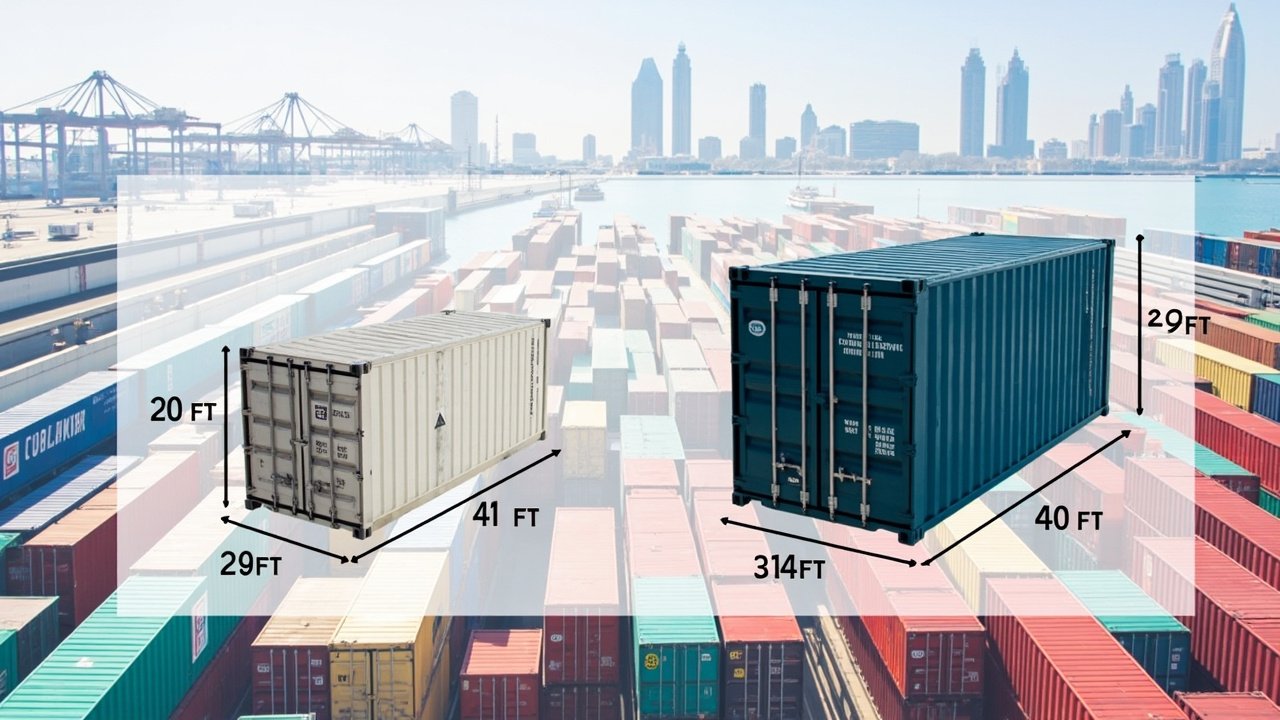
Container economics: A 20ft container holds approximately 400–500 sqm of 12mm stone tiles or 25–30 slabs of 20mm engineered quartz (3.2m × 1.6m slabs). For mixed orders, combining natural stone and quartz in one container is possible but requires coordination with the factory on loading sequence.
Quality assurance: Natural stone quality varies batch-to-batch; engineered quartz is produced under controlled factory conditions with more consistent output. For natural stone, always specify 10–15% overage to cover grading losses and breakage.
Frequently Asked Questions
Can engineered quartz be used outdoors?
Which is more cost-effective over a 10-year period: natural stone or engineered quartz?
Is natural stone more sustainable than engineered stone?
Why does engineered quartz sometimes look artificial or “fake” in comparison to marble?
Conclusion
The natural stone vs. engineered stone decision should be made on a project-by-project and application-by-application basis. Engineered quartz wins on maintenance, hygiene, stain resistance, and consistency. Natural stone wins on aesthetic prestige, UV stability, material authenticity, and exterior durability. For most commercial building projects — hotels, restaurants, offices — a hybrid approach is optimal: engineered quartz for kitchen counters and high-traffic wet areas, natural stone for feature walls, lobbies, and exterior applications where its strengths are fully utilized.
Need help selecting the right material for your specific project? Our technical team can advise on material selection, sourcing specifications, and pricing for both natural stone and engineered quartz from our Chinese factory network.