Why Stone Countertops Are Worth the Investment
Stone countertops aren’t just a design choice—they’re a long-term investment in your project’s value and durability. For importers and developers working on hospitality, residential, or commercial projects, selecting the right stone surface can make or break a project’s appeal to end buyers.
Comparing the Top Stone Options for Bathrooms
Granite: The Workhorse
Granite remains the most popular natural stone for bathroom vanities and countertops, and for good reason. With a porosity rating of 0.2–0.5%, properly sealed granite resists water absorption better than most natural stones. Brazilian and Indian granite varieties offer the best value—mid-range options at $25–$40 per square foot (FOB Chennai or Mumbai) provide quality that competes with Italian marble at half the price.
For high-humidity environments, opt for darker granites with tighter grain structures. Black Galaxy, Absolute Black, and Tan Brown handle moisture exposure without requiring the frequent resealing that lighter stones demand.
Quartz: Engineered Consistency
Quartz (engineered stone) has captured significant market share because it offers near-zero porosity without sealing. At 93–97% quartz content bound with resin, most quartz slabs have an absorption rate below 0.02%—effectively waterproof. This makes quartz the default recommendation for bathroom vanities in hotels and multi-unit residential projects where maintenance cycles need to be predictable.
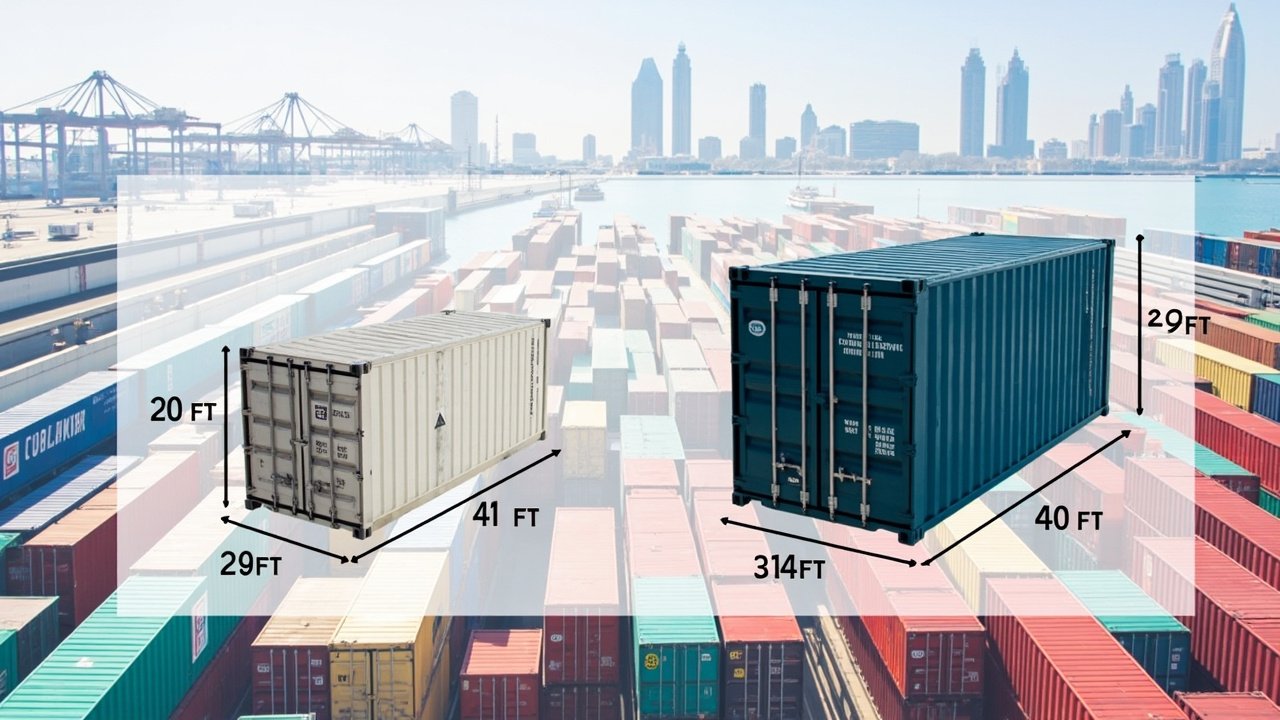
Chinese quartz manufacturers have closed the quality gap significantly in recent years. Sizes of 126″ × 63″ or 140″ × 79″ are standard in Chinese production, with 2cm and 3cm thicknesses readily available. A 20ft container typically holds 400–500m² of 2cm slabs.
Marble: Luxury Positioning
Marble is the preferred stone for luxury hotel bathrooms and high-end residential. The distinctive veining of Carrara, Calacatta, and Statuario makes each piece unique—a selling point that resonates with buyers in the $1M+ property bracket.
The trade-off is maintenance. Marble is calcium carbonate-based, meaning it etches with acidic substances (toothpaste, vinegar, citrus). A honed finish hides etching better than a polished surface. For projects where absolute perfection matters, budget for Diamond Soft Clear protection treatments and plan for annual resealing.
Travertine and Limestone: Organic Warmth
Travertine’s natural pitting and fossil patterns create warmth that machined stones can’t replicate. Used extensively in Mediterranean and Middle Eastern design, travertine honnied (filled and honed) slabs run $15–$25 per square foot (FOB Istanbul or Tehran).
However, travertine is significantly more porous than granite—even filled travertine has micro-pores that absorb moisture over time. For bathroom floors with underfloor heating, travertine works well. For shower surrounds or vanity tops, the maintenance burden is considerable.
Sourcing: Factory-Direct vs. Distributor
For projects exceeding 500m², factory-direct sourcing from Chinese, Indian, or Turkish manufacturers typically saves 30–45% compared to distributor pricing. The key variables are:
- Sample approval: Always approve physical samples before container loading. Photos don’t capture surface flatness or color consistency.
- Quality inspection: Third-party inspection services (e.g., CCIC, Bureau Veritas) at $150–$250 per container add cost but prevent costly disputes on delivery.
- Lead time: Factory production for a 20ft container of granite or quartz runs 15–25 days; add 25–40 days for ocean freight to US West Coast or 30–50 days to Europe.
Measuring and Templating Best Practices
For cut-to-size countertops (rather than slab imports), accurate templating is critical. Standard bathroom vanity widths range from 24″ to 72″, with depths of 19″–22″ for floor-mounted cabinets and 20″–25″ for floating vanities.
Always specify a 1.5″ overhang on the front edge and account for wall unevenness—measure the wall at top, middle, and bottom, and use the smallest dimension for the template. A 1/8″ scribe gap at wall joints is standard practice; anything larger signals templating issues.
Installation Red Flags to Watch
The most common installation failures in natural stone bathroom countertops include:
- Inadequate support: Stone slabs over 36″ span need corbel supports or steel brackets. Failure to include these causes cracking, particularly with 2cm marble.
- Seam placement: Seams should fall over cabinet divider panels, never in cantilevered spans. Traffic vibration loosens seam adhesive over time.
- Improper adhesive: Latex-modified thin-set, not silicone, should be used for all stone-to-cabinet adhesion. Silicone allows movement that cracks stone.
Long-Term Care and Maintenance
Natural stone care follows a simple hierarchy: clean with pH-neutral soap, seal annually, treat stains immediately. Avoid vinegar, bleach, ammonia, and abrasive pads on all natural stones. Quartz tolerates more aggressive cleaning but can be damaged by sustained heat above 150°F—always use trivets for hot hair tools.
For commercial projects (hotel bathrooms, gym changing rooms), specify stone with a coefficient of friction (COF) above 0.60 for wet-area applications to meet slip-resistance standards in most US states and EU countries.
FAQ: Stone Countertops for Bathroom Projects
What is the best stone for bathroom countertops in terms of maintenance?
Quartz requires the least maintenance—no sealing, resists staining, and cleans with mild soap and water. For high-traffic commercial bathrooms, quartz is the practical choice. If natural stone is preferred, granite offers the best balance of durability and maintenance simplicity among natural stones.
How much do stone bathroom countertops cost for a typical project?
For a standard 60″ vanity with two sinks and a backsplash, material costs range from $600–$1,200 for mid-range granite to $1,500–$4,000 for premium marble or high-end quartz. Factory-direct pricing for a full bathroom renovation (vanity tops, shower walls, tub deck) on a 150m² project typically runs $8,000–$15,000 in materials.
Can stone countertops be installed directly over existing bathroom vanity cabinets?
Yes, if the existing cabinets are level (within 1/8″ over 10 feet), structurally sound, and made of moisture-resistant material. Plywood-top cabinets are ideal; particle board degrades with prolonged moisture exposure. Always add a moisture barrier between the cabinet and stone.
What is the typical lead time for imported stone bathroom countertops?
From factory order to delivery at a US or European port: 45–70 days for container shipments. Cut-to-size fabrication adds 10–15 days at the factory or a local stone shop. For slab imports, add 5–10 days for local fabrication and installation.
How do I prevent cracking in stone bathroom vanities?
Ensure the cabinet provides full structural support with no spans exceeding 36″ unsupported. Use shim leveling to eliminate any cabinet unevenness before setting the stone. Never overtighten faucet mounting hardware—excessive torque transmits directly into the stone and causes stress fractures over time.