Why Stone Veneer Has Changed the Game for Exterior Cladding
Stone veneer—the thin-profile stone product that started as a practical workaround for structural limitations—has evolved into one of the most versatile materials in contemporary architecture. Whether you’re specifying for a hotel facade, a residential interior feature wall, or a commercial building upgrade, stone veneer delivers the aesthetic weight of full-depth stone at a fraction of the cost and installation complexity.
Understanding Stone Veneer: What It Is and How It’s Made
Stone veneer refers to stone panels or slabs typically ranging from 3/4″ to 1.5″ thick (20–40mm), compared to 3–6″ for traditional full-depth stone cladding. The reduced thickness means dramatic weight savings—veneer averages 12–15 lbs per square foot versus 40–80 lbs for full stone. That difference eliminates the need for additional structural framing in most renovation projects.
Natural Stone Veneer
Natural stone veneer is genuine stone—granite, limestone, sandstone, quartzite, or marble—sliced or split into thin sections. The most common production method is saw-cutting blocks into slabs, then guillotining or splitting those slabs into irregular shapes for a more natural appearance. Hand-cut Natural cleft finished pieces preserve the organic look of quarried stone.
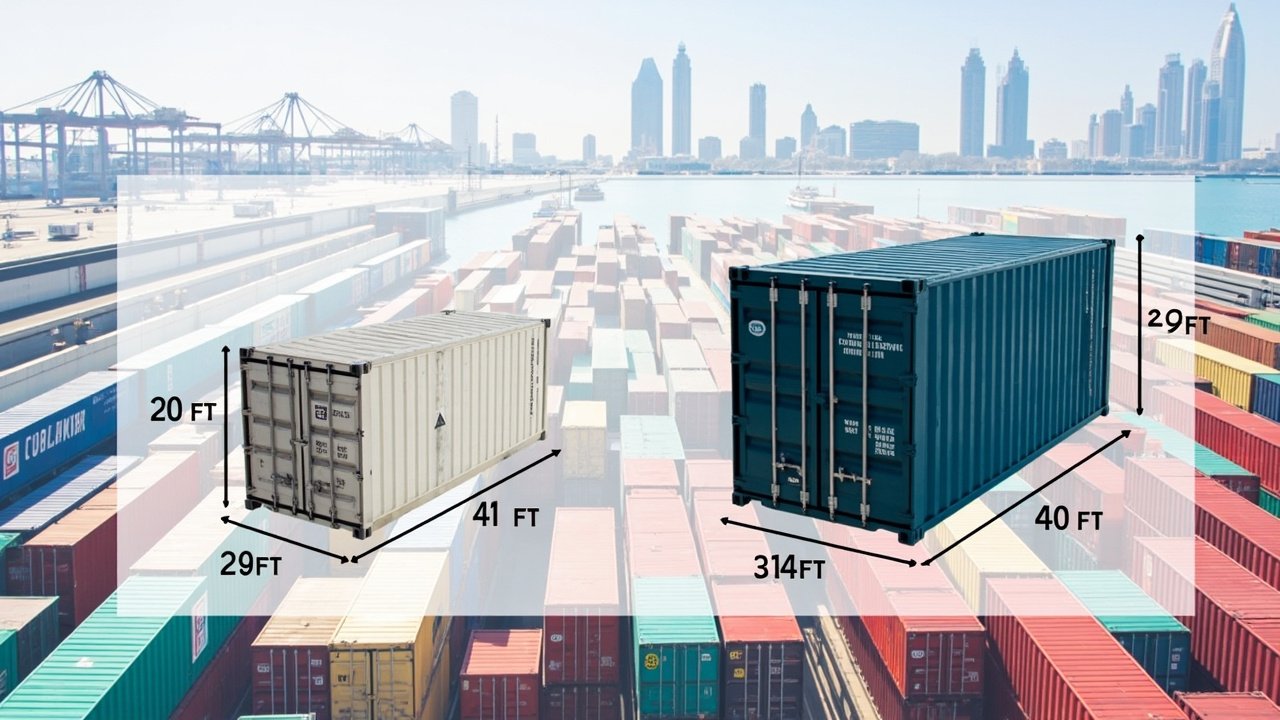
Natural stone veneer from Chinese manufacturers has become the dominant global supply source. Fujian province alone produces over 60% of global granite and quartzite thin veneer. Container-load FOB Xiamen pricing for granite thin veneer (20-30mm) typically ranges from $6–$12 per square foot depending on stone type and finish. A 20ft container loads approximately 3,500–4,500 square feet of thin veneer.
Manufactured Stone Veneer (MSV)
Manufactured stone—often called cultured stone or cast stone—is concrete poured into molds designed to replicate natural stone textures and colors. Portland cement, aggregates, and iron oxide pigments create a product that is remarkably consistent in color and shape, making it ideal for large projects requiring predictable coverage calculations.
Leading MSV brands include Eldorado Stone (US), Stone Flex (UK), and numerous Chinese manufacturers producing private-label products. Chinese MSV at $3–$6 per square foot (FOB Qingdao) competes directly with US-manufactured product at $8–$15 per square foot. The trade-off is color consistency—Chinese manufactured stone often shows wider shade variation between batches, which requires careful blending during installation.
Where Stone Veneer Works Best: Application Guide
Exterior Wall Cladding
Stone veneer is widely used for building facades, entryway surrounds, and column wraps. For exterior applications, verify that the product carries appropriate freeze-thaw ratings for your climate zone. In northern US states and Canada, only products rated for 100+ freeze-thaw cycles should be specified. Natural quartzite and granite veneer perform best in freeze-thaw environments; manufactured stone and some limestones can delaminate after repeated cycles.
Installation on exterior sheathed walls requires a properly detailed rain screen assembly: weather-resistant barrier (WRB), drainage mat, and corrosion-resistant lath. Cost for proper exterior assembly runs $8–$14 per square foot in materials and labor combined.
Interior Feature Walls
Interior applications are where stone veneer truly shines. The weight advantage means it can be installed directly over wood-stud or steel-stud framing with just a cementitious backer board and appropriate mortar. Fireplace surrounds, dining room accent walls, lobby columns, and bar fronts are all standard interior applications.
For indoor fireplace surrounds, both natural stone and MSV are suitable. Combustible materials (wood framing, drywall) must maintain the required clearance from the firebox opening—typically 8″ for manufactured stone and 12″ for natural stone, though this varies by local code and fireplace manufacturer.
Outdoor Living Features
Pool coping, outdoor kitchen surrounds, garden wall cladding, and pergola base columns are popular exterior living applications. For pool coping, the stone must be honed or sand-finished (not polished) to prevent slip hazards when wet. Saltillo and some limestones are not suitable for pool environments due to dissolution risk from pool chemicals.
Sourcing and Quality Considerations
When sourcing thin stone veneer from international suppliers, these factors distinguish good projects from problematic ones:
- Dimensional consistency: Natural stone varies. Request a packing diagram showing coverage per crate and ask about maximum thickness variation (industry standard: ±3mm). Poor consistency increases installation labor and grout/concealment requirements.
- Color matching across batches: Order the full project quantity from the same production batch where possible. Even within the same quarry, color shifts occur across extraction depths.
- Finish specifications: Thermal (flamed), honed, polished, brushed, and natural cleft finishes all behave differently in terms of staining, slip resistance, and maintenance. Specify finish based on application, not just appearance.
- Packaging for ocean freight: Chinese manufactured stone ships in wooden crates with internal Styrofoam or cardboard protection. Verify that the supplier uses marine-grade packaging to prevent moisture damage during ocean transit—standard inland packaging often fails in sea container conditions.
Installation: Common Mistakes That Cost Money
Stone veneer installation appears straightforward but harbors several failure modes that appear 2–5 years post-installation:
- Insufficient mortar coverage: The back of each stone or panel must be 100% buttered with mortar—not just spot-set. Voids behind the stone create water infiltration points that cause efflorescence, spalling, or frost damage.
- Incompatible adhesive/mortar: MSV and natural stone have different mortar requirements. MSV typically requires Type S mortar (2,800 psi compressive strength). Natural stone requires lower-strength Type N (750 psi) to allow the stone to flex slightly without cracking. Using the wrong type causes adhesive failure.
- No allowance for differential movement: Stone veneer and the substrate beneath it expand and contract at different rates with temperature changes. Control joints at maximum 12-foot intervals in exterior applications prevent stress cracking.
Maintenance: What to Expect Over Time
Natural stone veneer requires periodic cleaning with pH-neutral stone cleaner and annual inspection of sealant joints at penetrations and terminations. Efflorescence (white mineral salt deposits) is common in the first year after installation and typically resolves with dry brushing and clean water—never use acid-based cleaners on natural stone unless specifically recommended by the manufacturer.
Manufactured stone, being concrete-based, can tolerate mild acid cleaning but should never be power-washed at pressures above 1,500 PSI, which can erode the surface matrix. Re-sealing MSV every 3–5 years maintains its color vibrancy in exterior applications.
Stone Veneer FAQ
What is the cost difference between stone veneer and full-depth natural stone cladding?
Stone veneer (thin profile) typically costs $8–$20 per square foot for materials, installed. Full-depth stone cladding runs $25–$60 per square foot installed. For a 2,000 square foot facade, this represents a $34,000–$80,000 savings in material alone. Structural savings (no reinforced foundation or structural framing needed) can add another $15,000–$40,000 depending on the project.
Can stone veneer be installed directly over brick or existing concrete?
Yes, in most cases. Existing brick or sound concrete can serve as a substrate for stone veneer if the surface is clean, free of loose material, and properly prepared. For brick, the surface should be roughened (not painted or sealed), and a scrub coat of mortar applied before setting the veneer. For smooth concrete, a bonding agent or mechanically roughened surface is required.
How do I prevent stone veneer from falling off over time?
Proper mechanical anchorage is critical for exterior applications. Veneer panels exceeding 15 square feet should be supported with shelf angles (steel angles bolted to the structural wall) at each floor level. For interior applications, a proper notch at the base of each wall provides the primary bearing support, with adhesive and intermittent corrosion-resistant ties holding the veneer to the backer board.
What stone types work best for freeze-thaw climate exterior applications?
Quartzite, granite, and dense granite-based gneiss perform best in freeze-thaw environments due to low porosity (below 0.5% absorption) and high flexural strength. Limestone and travertine vary widely by variety—some pass freeze-thaw testing, others fail after 50 cycles. Always request freeze-thaw test data (ASTM C1262) from your supplier before specifying for northern climate exterior use.
What is the typical lead time for thin stone veneer from China?
Production lead time: 20–35 days depending on stone type and factory capacity. Ocean freight: 25–40 days to US West Coast, 35–55 days to US East Coast or Europe. Total: 45–75 days from order confirmation to port arrival. Add 10–15 days for inland transport to final destination. For a project requiring multiple containers, staggered production runs can smooth logistics.