Introduction
Travertine is a form of limestone deposited by mineral-rich hot springs. Used since Roman times in the Colosseum and aqueducts, this natural stone continues to dominate high-end architectural projects across the Middle East, Europe, and North America. For architects and builders sourcing materials from China, understanding travertine’s properties, varieties, and supply chain can mean the difference between a profitable project and a costly mistake.
This guide covers everything B2B buyers need to know about importing travertine from Chinese factories in 2026.
What is Travertine? Geological Origins and Characteristics
Travertine forms when calcium-rich water evaporates in limestone caves and hot springs. The result is a sedimentary rock with distinctive veining patterns and a porous surface that takes finish well — honed, polished, brushed, or tumbled.
Key technical parameters to verify with your supplier:
- Density: 1,700–2,500 kg/m³ depending on porosity
- Compressive strength: 45–115 MPa
- Water absorption: 1–2.5% for filled travertine, up to 5% for unfilled
- Flexural strength: 8–15 MPa
China’s travertine production centers are concentrated in Yunnan and Guizhou provinces, with processing and export hubs in Guangdong (Foshan) and Fujian (Quanzhou). Most export-oriented factories use container-ready packaging with foam interleaving and wooden crate reinforcement.
Types of Travertine Finishes and Which to Specify
The finish you specify affects both aesthetics and performance in the built environment:
Honed (matte): Ground flat but not polished. Ideal for interior floors in residential and light commercial settings. Slip resistance is moderate — suitable for bathrooms and corridors.
Polished: Creates a glossy, reflective surface that brings out the stone’s natural color and veining. Used for wall cladding, reception desks, and decorative panels where visual impact matters most.
Brushed: Textured surface achieved by brushing with stiff nylon or steel brushes. Provides good slip resistance — common choice for exterior facades and poolside areas.
Tumbled: tumbled tiles have rounded edges and a worn, antique appearance. Popular for villa renovations and heritage restoration projects.
When specifying travertine for commercial projects, pay attention to fill level. Travertine naturally contains voids. “Filled” travertine has these pores sealed with Portland cement or epoxy. Unfilled travertine costs 20–30% less but is only suitable for low-traffic, non-wet areas. For hotel lobbies and restaurant floors, always specify fully filled and honed travertine.
Travertine vs. Competing Stones: A Quick Comparison
How does travertine stack up against materials your clients may also be considering?
vs. Marble: Travertine is harder and more durable than most marble varieties. It handles freeze-thaw cycles better — making it suitable for exterior use in colder climates where marble would crack. Marble offers more dramatic veining; travertine offers more consistent warm tones.
vs. Granite: Granite is harder and more scratch-resistant. Travertine is preferred for its thermal properties (stays cool in summer) and its established aesthetic in Mediterranean and Middle Eastern design traditions.
vs. Limestone: Travertine is a type of limestone but with higher density and better durability. Standard limestone is softer and more prone to erosion in wet environments.
In terms of installed cost, travertine typically falls in the mid-range: higher than porcelain tile, competitive with mid-tier marble, and lower than premium granite or onyx.
Sourcing Travertine from Chinese Factories: What to Verify
Chinese travertine factories have significantly improved quality control over the past decade. Here’s what to check before signing a purchase order:
- Sample verification: Request 3–5 samples of 300×300×10mm from the actual production batch, not from showroom stock. Batch variation is the #1 source of disputes in natural stone imports.
- Cratting standards: Proper export crating uses wooden frames with styrofoam interleave between tiles. Each crate should not exceed 1.5 tons to allow manual handling at destination.
- Color consistency declaration: Ask the factory to provide a color consistency certificate referencing the specific quarry block used. Natural stone varies between blocks — this protects you if the second shipment looks noticeably different.
- Loading supervision: For orders above $10,000, arrange a third-party inspection (SGS, Bureau Veritas) at the factory before container loading.
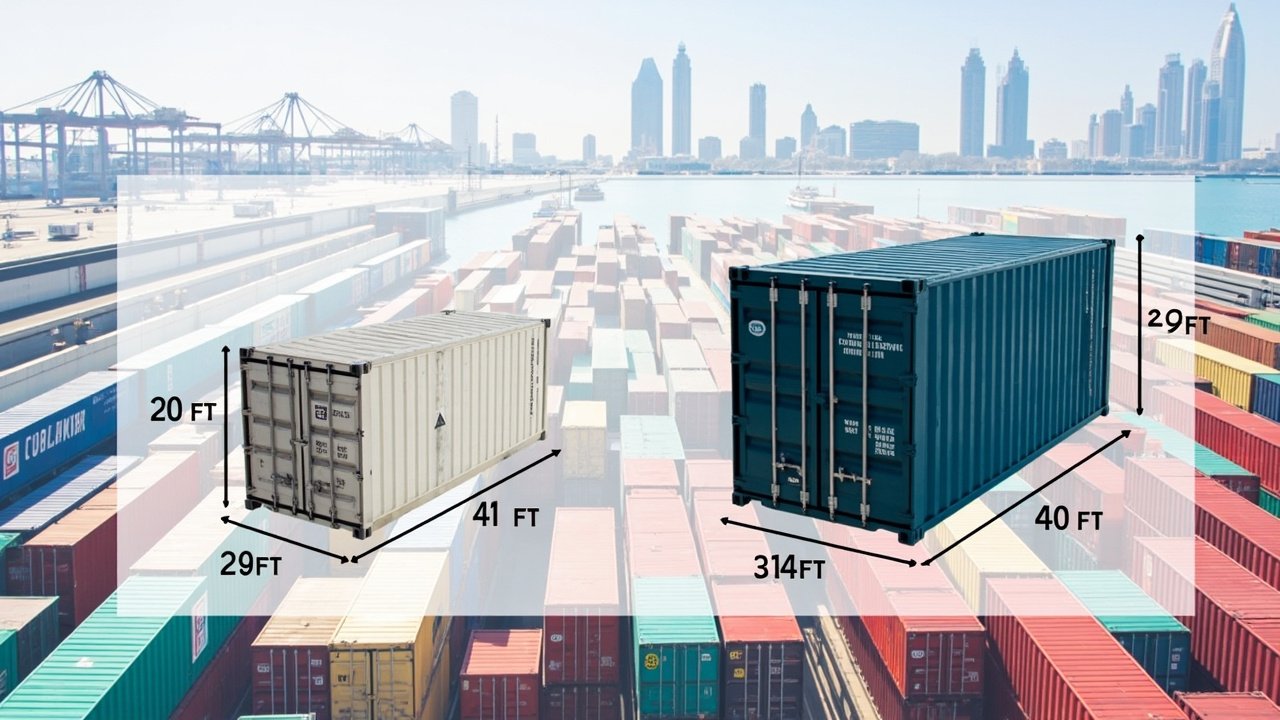
A 20ft container fits approximately 400–500 sqm of 10mm travertine tiles when packed in crates, or up to 600 sqm in loose packing (higher breakage risk). Always order 10–15% overage to cover cutting waste, grading losses, and future replacements.
Frequently Asked Questions
How is travertine packed for export from China?
What thickness is best for floor vs. wall applications?
Does travertine require special maintenance?
What are the lead times from Chinese factories?
Conclusion
Travertine remains one of the most versatile natural stones available to architects and builders. Its durability, thermal properties, and timeless warm-toned aesthetic make it a strong choice for hotel facades, villa bathrooms, restaurant interiors, and pool decks. When sourcing from China, prioritize factories that can provide consistent batch samples, documented quality control procedures, and references from similar export markets.
Ready to discuss your travertine project requirements? Contact our export team for a detailed quotation including container quantities, freight estimates, and sample availability.