Introduction
Most first-time buyers of natural stone from China assume that listed prices are fixed. In reality, stone pricing from Chinese factories operates like a wholesale market — there is almost always room to negotiate, and the buyers who get the best deals are those who understand the factory’s cost structure, volume incentives, and seasonal cash flow cycles.
This guide covers the actual levers available to B2B stone buyers when negotiating with Chinese quartz and granite factories, based on patterns observed across hundreds of RFQs and supplier interactions in 2025–2026.
Understanding How Chinese Factories Set Their Prices
To negotiate effectively, you need to understand the factory’s perspective. A Chinese stone factory’s landed cost per square meter breaks down approximately as follows:
- Raw block cost: 15–25% of final FOB price (varies by stone type — marble blocks are more expensive than granite/quartz)
- Processing labor: 20–30% of FOB price (CNC cutting, surface polishing, edge grinding, QC sorting)
- Packaging and logistics to port: 8–12% of FOB price
- Factory overhead (rent, utilities, admin): 10–15%
- Profit margin: 8–15% for established factories, 15–25% for brand-name or rare-material producers
The implication: factories have meaningful flexibility in the processing labor and profit components, but they are relatively rigid on raw block costs. A well-informed buyer who can demonstrate knowledge of block pricing from competing quarries will get more respect — and more concessions — than a buyer who treats the quoted price as a black box.
Volume Discounts: The Most Predictable Leverage
Volume is the single most effective negotiating lever. Chinese factories have significant economies of scale in slab production — beyond a certain threshold, additional square meters cost the factory very little extra in labor and packaging. The typical volume discount ladder for standard quartz or granite tiles (600×600×12mm, polished finish, container export packing):
- Under 200 sqm: FOB price — no discount, sometimes a 3–5% small-order premium applies
- 200–500 sqm: 3–5% discount from FOB list price
- 500–1,000 sqm: 6–10% discount
- 1,000–3,000 sqm: 10–15% discount
- 3,000 sqm+ (full container combinations): 12–20% discount, typically tied to annual volume commitments
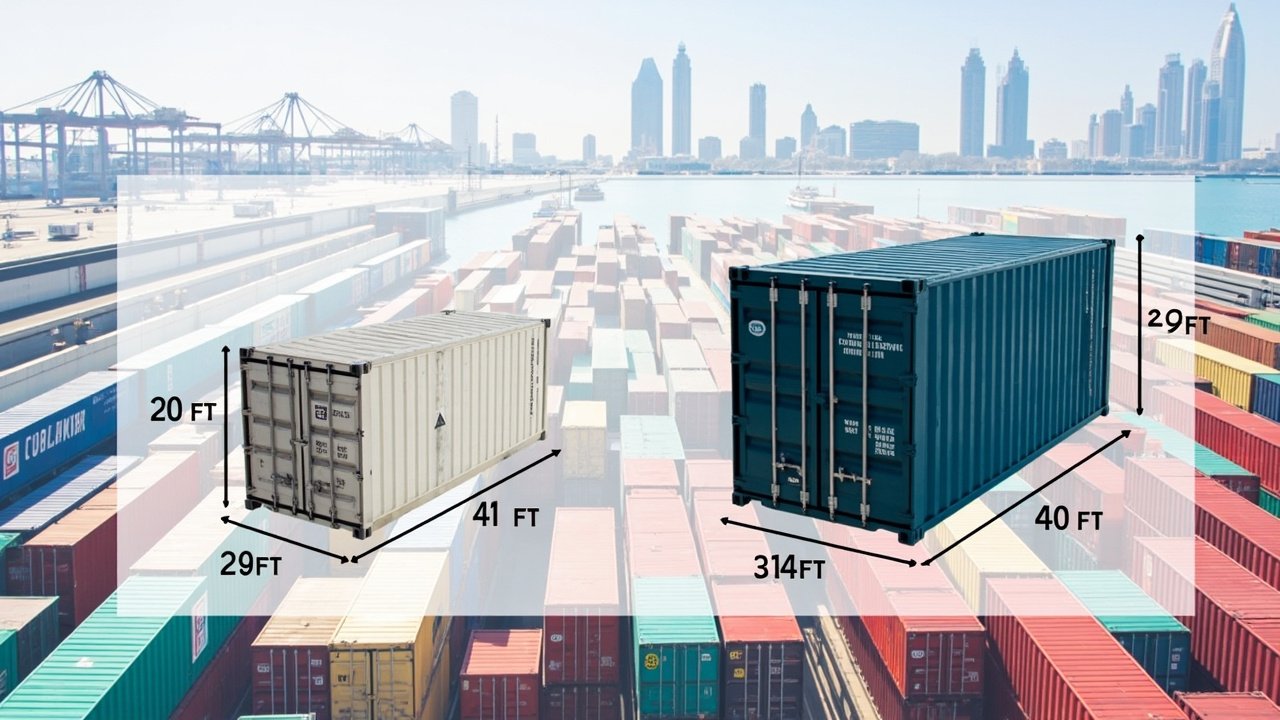
For 20ft container orders, the typical sweet spot is 350–450 sqm of 12mm tiles per container, depending on mix. For 40ft containers, 700–900 sqm is achievable with mixed thicknesses.
Strategic tip: If your project is below 200 sqm, consider combining orders with another buyer in your network. Even a simple cost-sharing arrangement for air freight can drop the per-sqm cost by 20–30% versus buying alone at small-order rates.
Payment Term Negotiations: Cash vs. Credit
Chinese stone factories strongly prefer cash payments, and they pass meaningful discounts to buyers who pay cash or make large advance payments. Here is how payment terms affect real pricing:
- 30% deposit / 70% against BL copy (standard T/T): Full listed price
- 50% deposit / 50% before shipment: 1–2% additional discount
- 100% deposit in advance: 3–5% discount, often combined with priority production scheduling
- L/C at sight: Add 1–2% to cover factory’s bank charges and non-payment risk
- L/C 60–90 days: Add 2–4% depending on factory risk appetite
For buyers who have established a track record with a factory (2–3 successful orders), factories are often willing to extend 30-day or 60-day open accounts in exchange for a slightly higher price or volume commitment.
Best Timing: When Factories Are Most Flexible
Stone factory pricing follows seasonal patterns. The periods when factories are most motivated to negotiate — and when buyers get the best deals — are:
January to mid-February (Chinese New Year pre-holiday): Factories want to clear inventory and generate cash before the extended factory shutdown (typically 2–4 weeks). They are highly motivated to accept orders at lower margins to fill containers for pre-holiday shipment. Place your deposit by January 10 for best results.
Late April to early May (post-holiday rebound): Factories are back in full operation but order books are often light in the 3–4 weeks after CNY. This is an underutilized negotiating window.
Mid-July to August: Summer is traditionally slow for European and Middle Eastern construction activity. Factory production continues but demand softens, giving buyers negotiating leverage.
End of quarter (late March, June, September, December): Factory sales teams have quarterly targets to meet and are more willing to offer discounts on achievable orders to hit commission thresholds.
Avoid negotiating in October–November if you can — this is peak season for Middle Eastern and European buyers preparing for spring construction schedules, and factories have less motivation to move on price.
Additional Negotiation Levers Beyond Price
Smart buyers negotiate on more than just the per-sqm price. These non-price terms can deliver real value equivalent to a 5–10% price reduction:
- Freight and shipping: Ask the factory to include shipping to a named port. Some factories have preferred shipping partners with significant volume discounts they can pass partially to buyers.
- Sample costs: Negotiate free samples (3–5 pieces) for orders above a certain threshold. Sample costs of USD 50–200 are often waived for serious buyers who place a deposit within 30 days.
- Extra slabs for breakage replacement: Request 2–3 extra slabs (worth USD 150–400) included free in the container. Natural stone breaks during transport — having replacement slabs on hand avoids project delays.
- Overage flexibility: Negotiate a +5% overage clause in the purchase order (you pay for what you receive, factory absorbs shortfall). This protects you if the factory falls slightly short on ordered quantity.
- QA reports and photos: Request free pre-shipment photos and QC reports. Third-party inspection (SGS) costs USD 150–300 but can be negotiated as a factory cost-share for orders above USD 10,000.
Red Flags: When a Low Price Is Actually a Trap
The lowest price is not always the best deal. Watch for these warning signs:
Price too low compared to market: If a factory’s quote is 20%+ below two other comparable factories, it may indicate lower-grade quartz content (75% vs. the 90%+ you specified), recycled glass content instead of natural quartz, or batch mixing of off-color material.
Unusually long lead times: A factory quoting 60 days when others quote 20–25 days may not have the slabs in stock and is sourcing from a broker — adding cost, delay, and quality variability.
No sample required: Any factory unwilling to provide samples before an order should be treated as a significant risk factor.
Frequently Asked Questions
What payment methods do Chinese stone factories prefer?
How much can I realistically negotiate off the listed price?
What is the minimum order quantity for stone from China?
When is the best time to negotiate stone prices from China?
Conclusion
Price negotiation with Chinese stone factories is a combination of timing, volume leverage, payment term flexibility, and relationship building. The buyers who consistently secure the best terms are those who understand the factory’s cost structure, approach at the right seasonal moments, and negotiate on the full package — not just the per-sqm number. Building a two-to-three supplier relationship over 6–12 months typically unlocks the best pricing tiers, open account terms, and priority production scheduling that no first-order buyer can access.
Have a specific project in mind? Our export team can provide a detailed, factory-direct quotation with CIF or FOB pricing, container loading recommendations, and sample scheduling for your review.